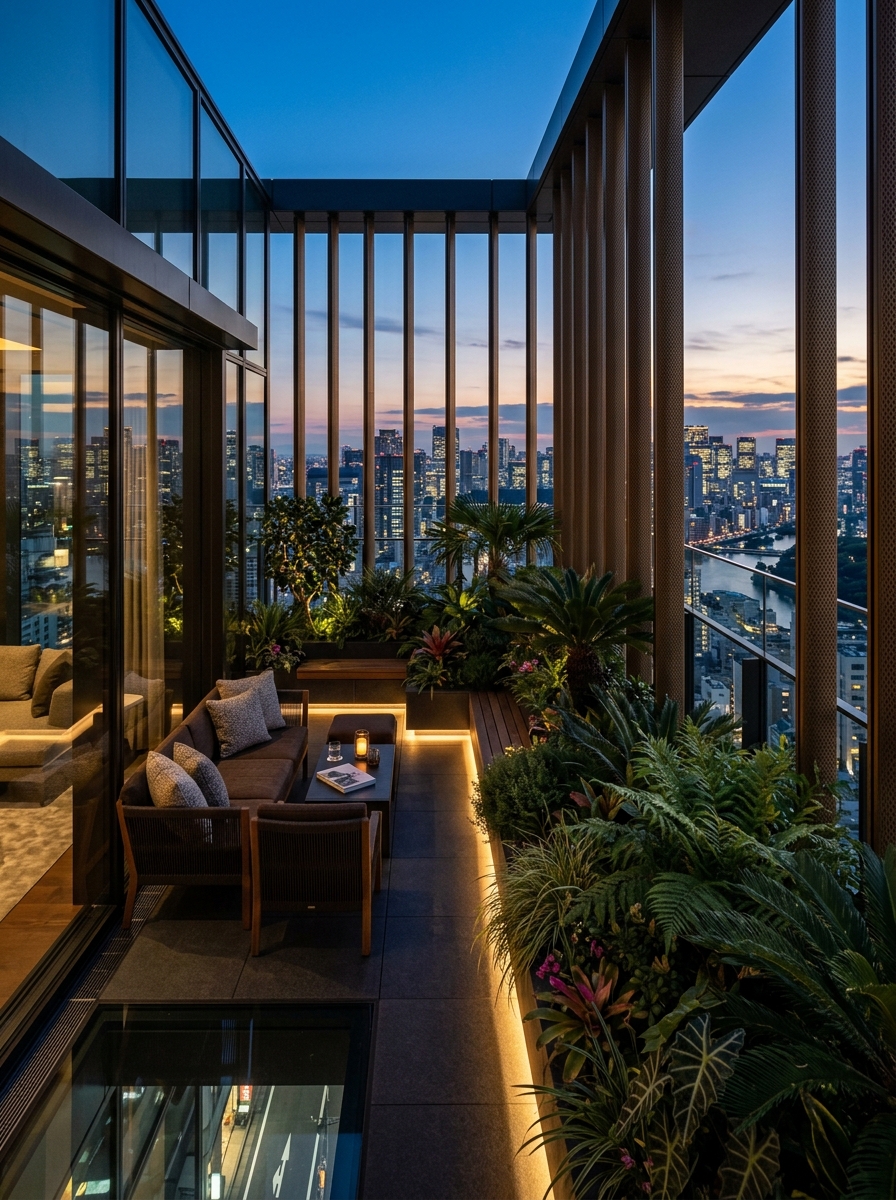
Privacy Begins with Design
Architectural privacy is not simply about enclosing walls or closing curtains. It is about understanding how human beings experience space, light, and visual lines in their private sanctum.
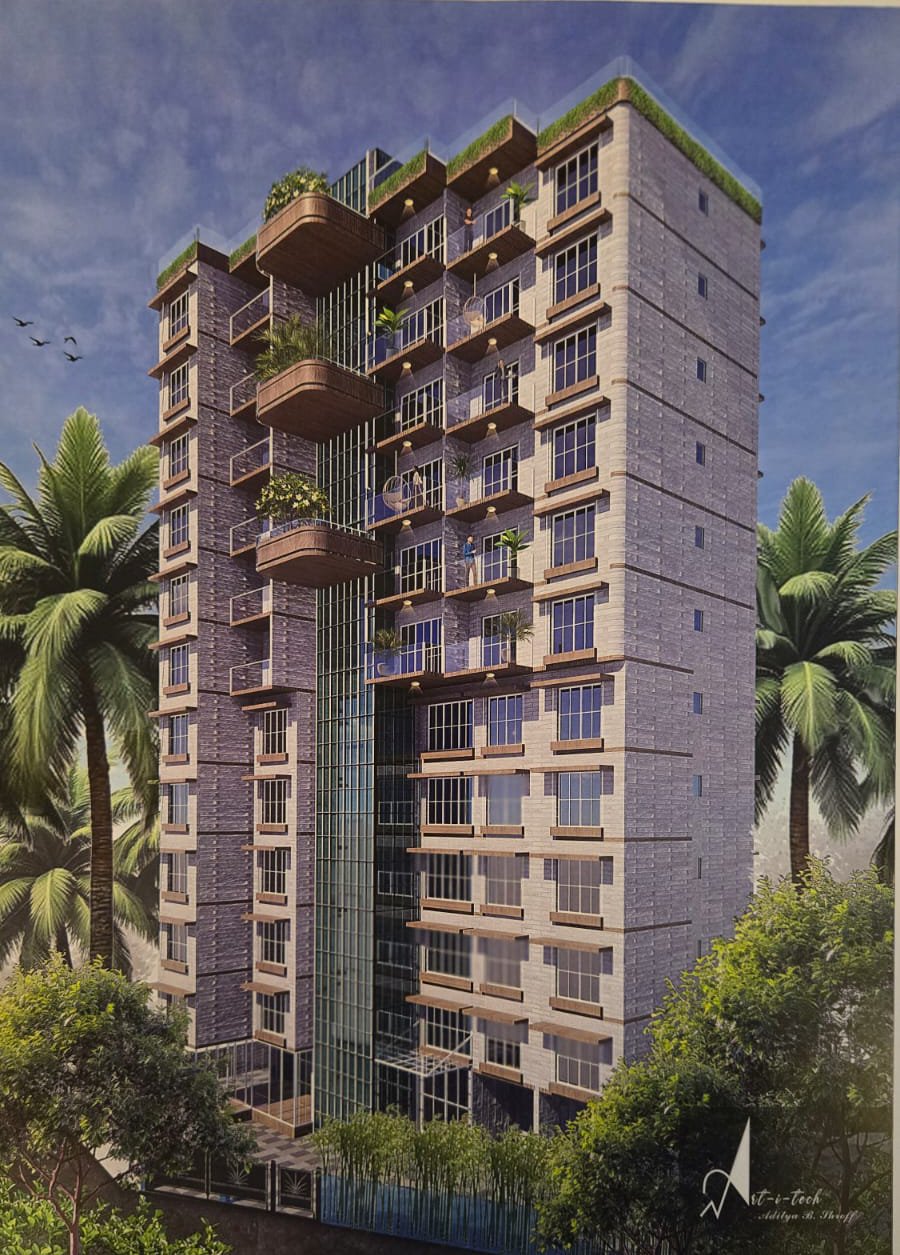
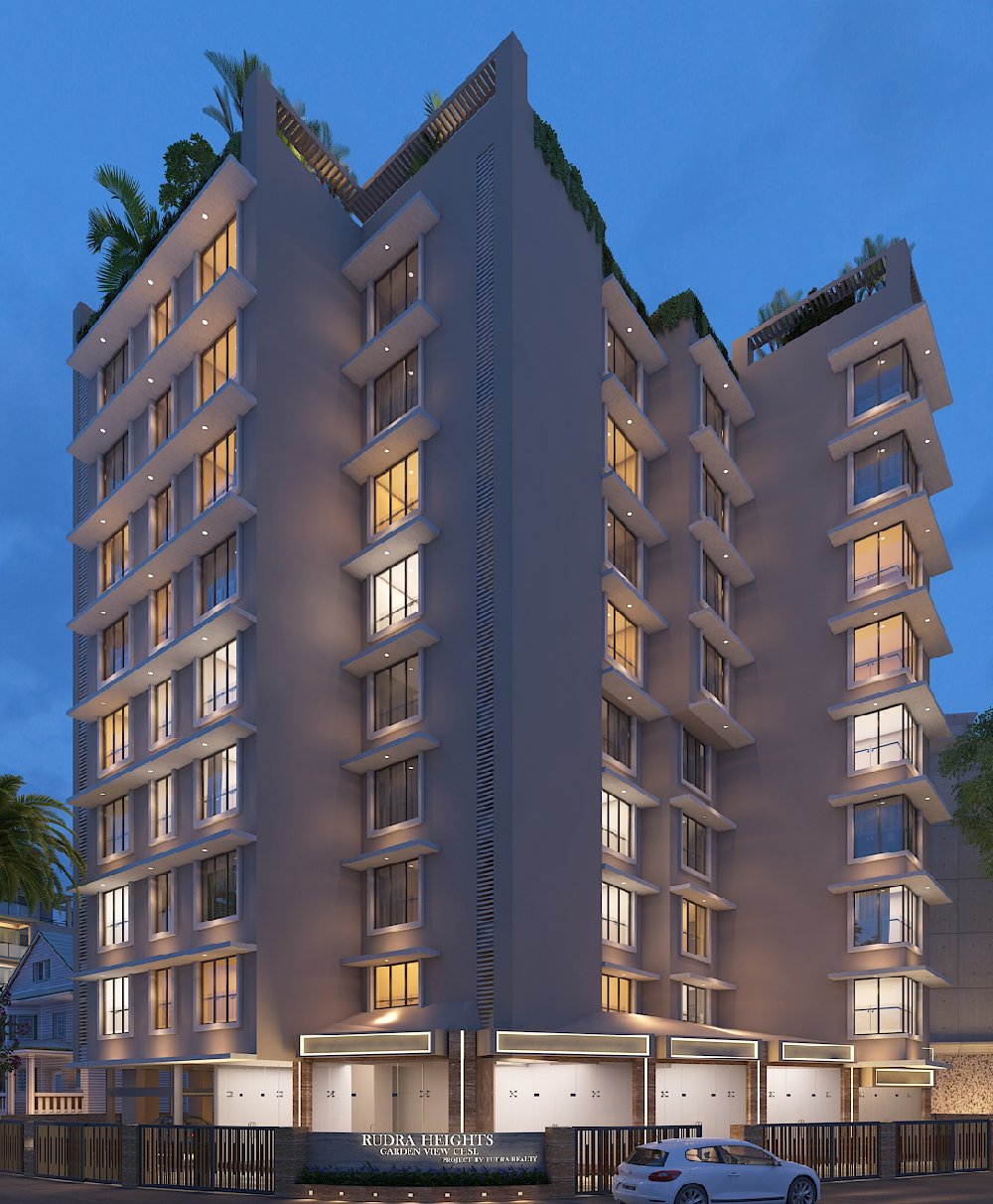
The positioning of windows, the orientation of private balconies, and the spatial relationship between adjoining towers all dictate how tranquil a home feels. Thoughtful floor-plan layouts preserve natural daylight and cross-ventilation while shielding bedrooms from external sightlines.
Similarly, the planning of private elevator vestibules, dedicated entrance foyers, and transitional corridors ensures that stepping into the home feels like entering an exclusive retreat, insulated from public circulation.
The Art of Balancing Openness and Seclusion
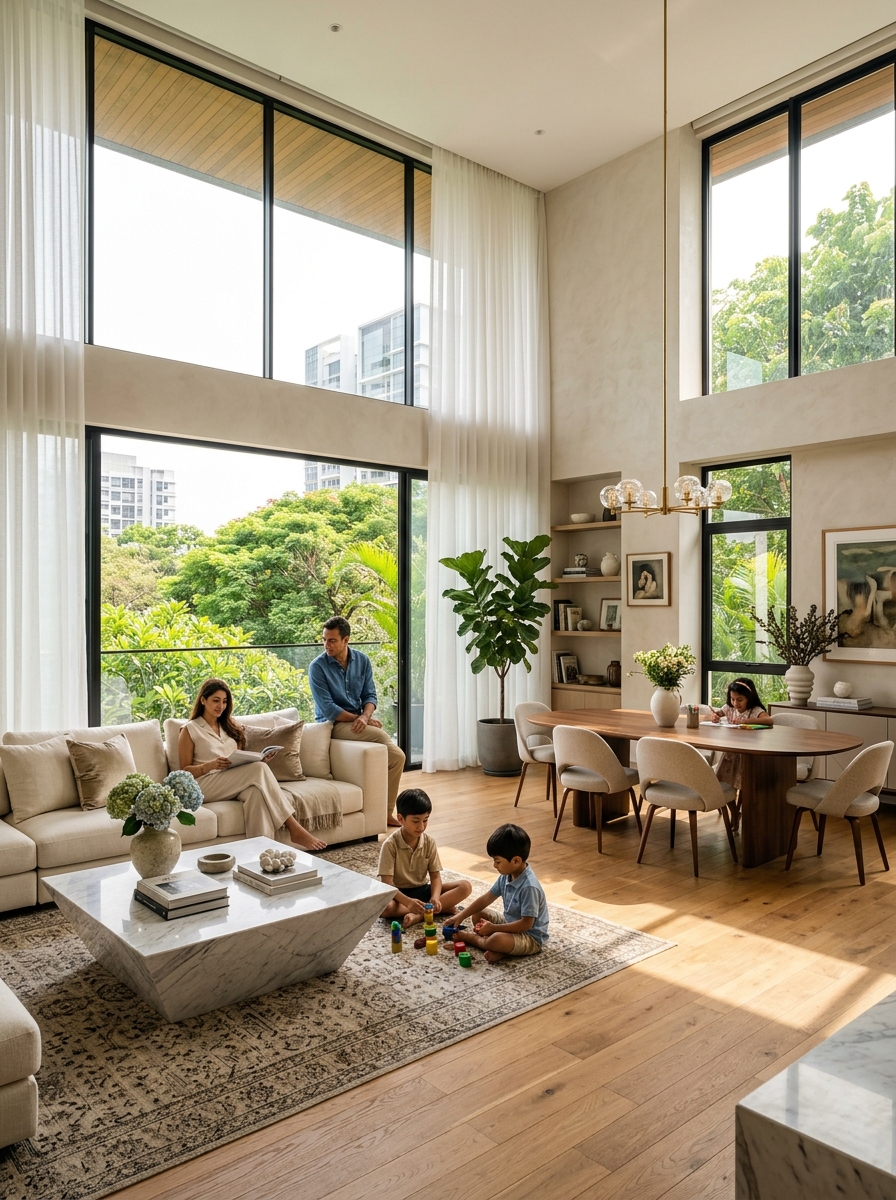
Modern luxury architecture seeks a delicate harmony between openness and retreat. Expansive floor-to-ceiling glazing connects residents with sweeping cityscapes, while architectural louvers, landscaped terrace buffers, and deep overhangs offer protective seclusion.
"True architectural privacy allows you to feel connected to the sky and surrounding greenery without feeling exposed to the city below."
This subtle balance becomes exceptionally vital in dense urban environments like Mumbai, where smart architectural orientation directly enhances the quality of everyday rest, rejuvenation, and family life.
A More Considered Definition of Luxury
As residential design continues to mature, privacy is becoming the definitive hallmark of discerning architecture. It reflects the realization that ultimate luxury is not merely what a home displays, but how effortlessly it protects and nurtures the way you choose to live.
Ultimately, the finest residences recognize that true comfort is deeply personal. In a bustling metropolis, perhaps the greatest privilege of all is the quiet freedom to enjoy a world entirely your own.
The Beauty of Permanence: Why Timeless Materials Define Exceptional Homes
Trends in residential design come and go. Colours fluctuate, decorative fads evolve, and new aesthetics temporarily capture attention. Yet certain residences remain deeply compelling long after the passing moment has faded.
What distinguishes these spaces is not adherence to temporary fashion, but the inherent quality of their materials, the precision of their detailing, and the discipline behind every design decision. Timeless architecture begins with a simple commitment: create spaces that age with grace rather than depend on constant reinvention.
Materials That Tell a Story
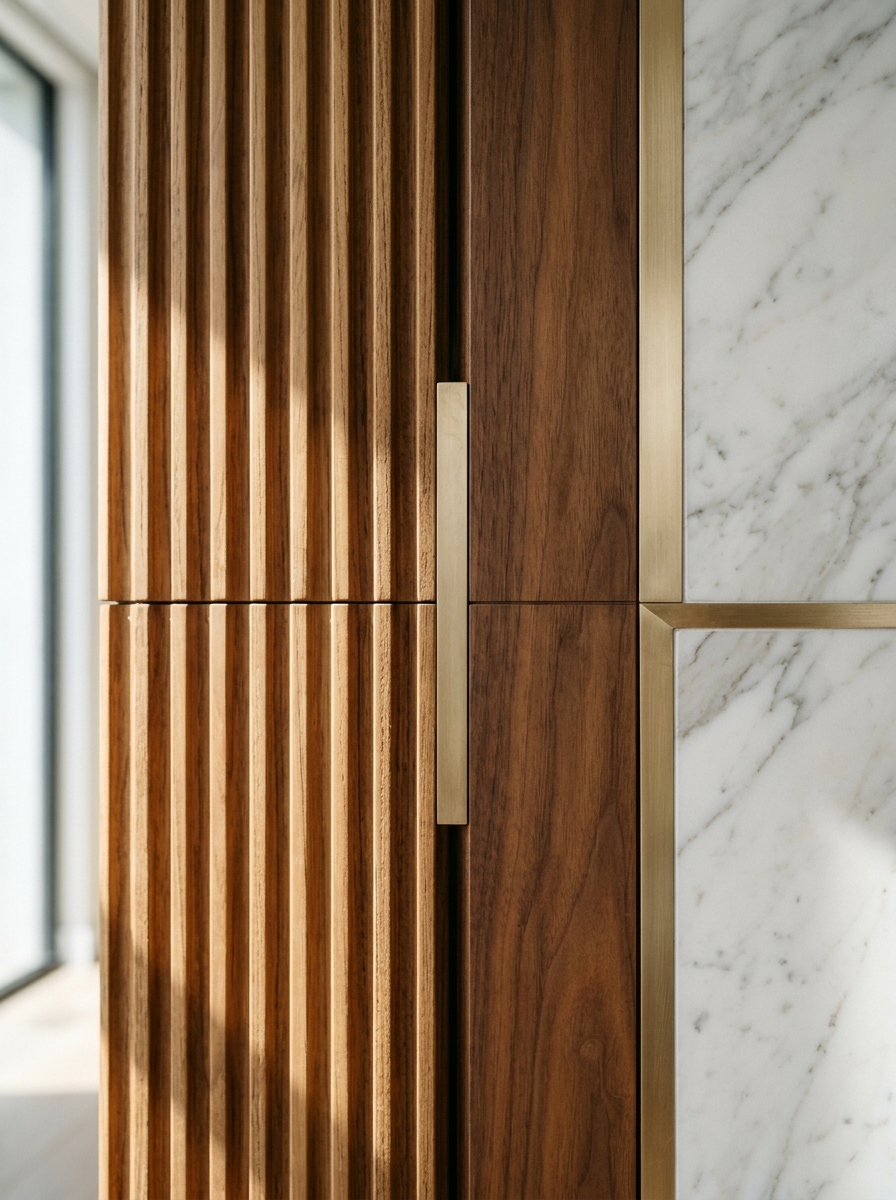
Natural stone, solid timber, textured lime plaster, and hand-finished metals bring an authentic soul to a residence. Their enduring appeal lies not only in their appearance, but in their texture, weight, and capacity to acquire a distinguished patina over decades.
Stone introduces natural variations that make every slab an original work of art. Timber contributes biological warmth and comforting acoustics. Architectural metals lend definition through tailored borders and crisp joinery. When selected with discernment, these materials create an interior that feels permanently grounded.
Craftsmanship Lives in the Details
The distinction between standard construction and exceptional craftsmanship lies in the smallest decisions: razor-straight shadow lines, perfectly aligned stone veins, concealed hinges, silent drawer runners, and flawless material transitions. Together, these quiet details dictate how cohesive a residence feels and how impeccably it functions over generations.
At Rudra Realty, our private residences are conceived as generational landmarks. By marrying thoughtful spatial privacy with enduring material permanence, we build homes that remain as captivating decades from now as they are on the day of completion.