
Understanding Material Integrity
Material integrity begins with selecting materials that are appropriate for their intended purpose. A material may look impressive, but its suitability also depends on where it is used, how it performs under daily stress, and what care it requires over time.
For example, flooring must be considered in relation to foot traffic, cleaning requirements, and the thermal character of the interior. Window systems need to be evaluated for acoustic insulation, weatherproofing, and structural installation quality. Bathroom fittings must combine aesthetic finishes with reliable hydraulic engineering.
"The most effective material choices are guided by purpose, durability, and compatibility rather than momentary visual novelty."
Key considerations when selecting materials include:
- Durability: Whether a material is resilient to the ambient climate and the frequency of everyday use.
- Finish Quality: The consistency with which the material is manufactured, calibrated, and installed.
- Maintenance Demands: The effort, specialized cleaning, and upkeep needed to preserve its original luster.
- Compatibility: How harmoniously the substance pairs with adjacent stones, timbers, and joinery.
- Purpose-Driven Selection: Ensuring every material's physical attributes suit its exact architectural placement.
The Relationship Between Materials and Architecture
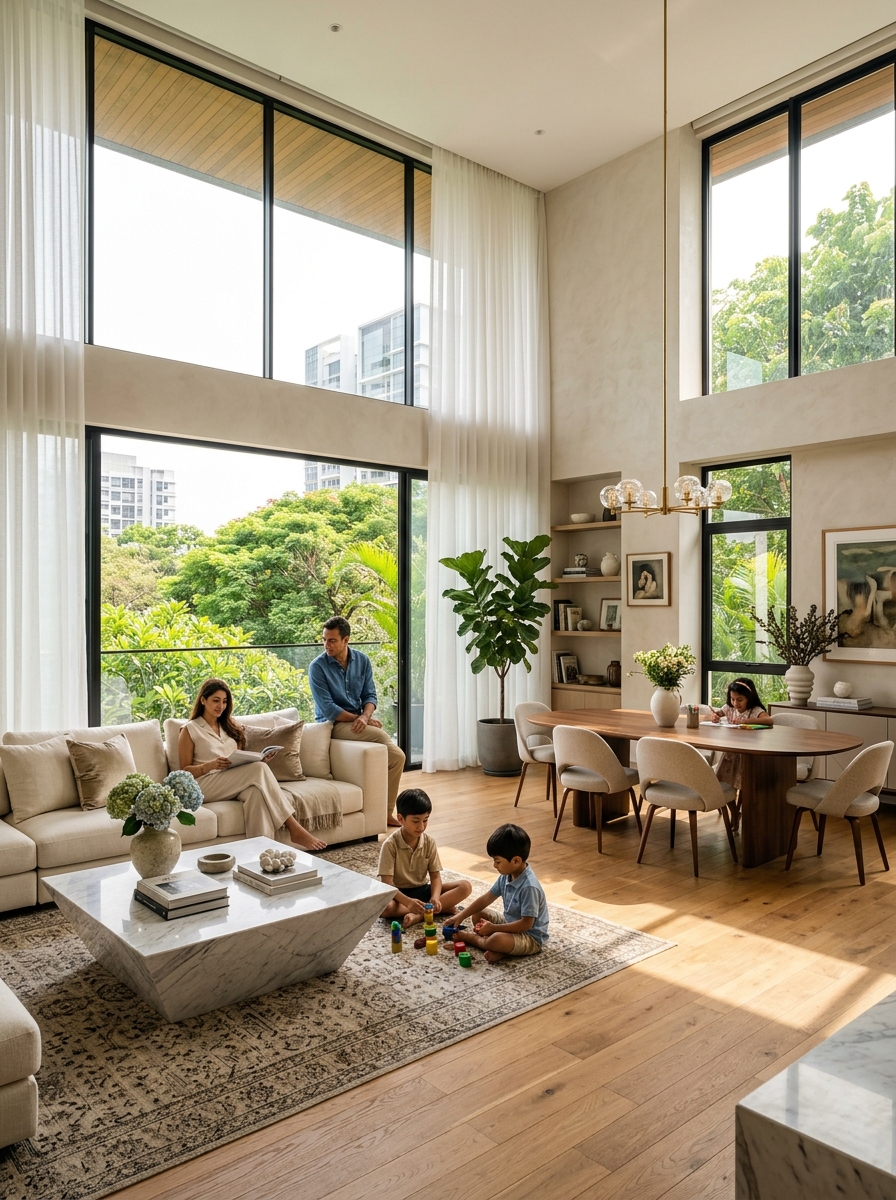
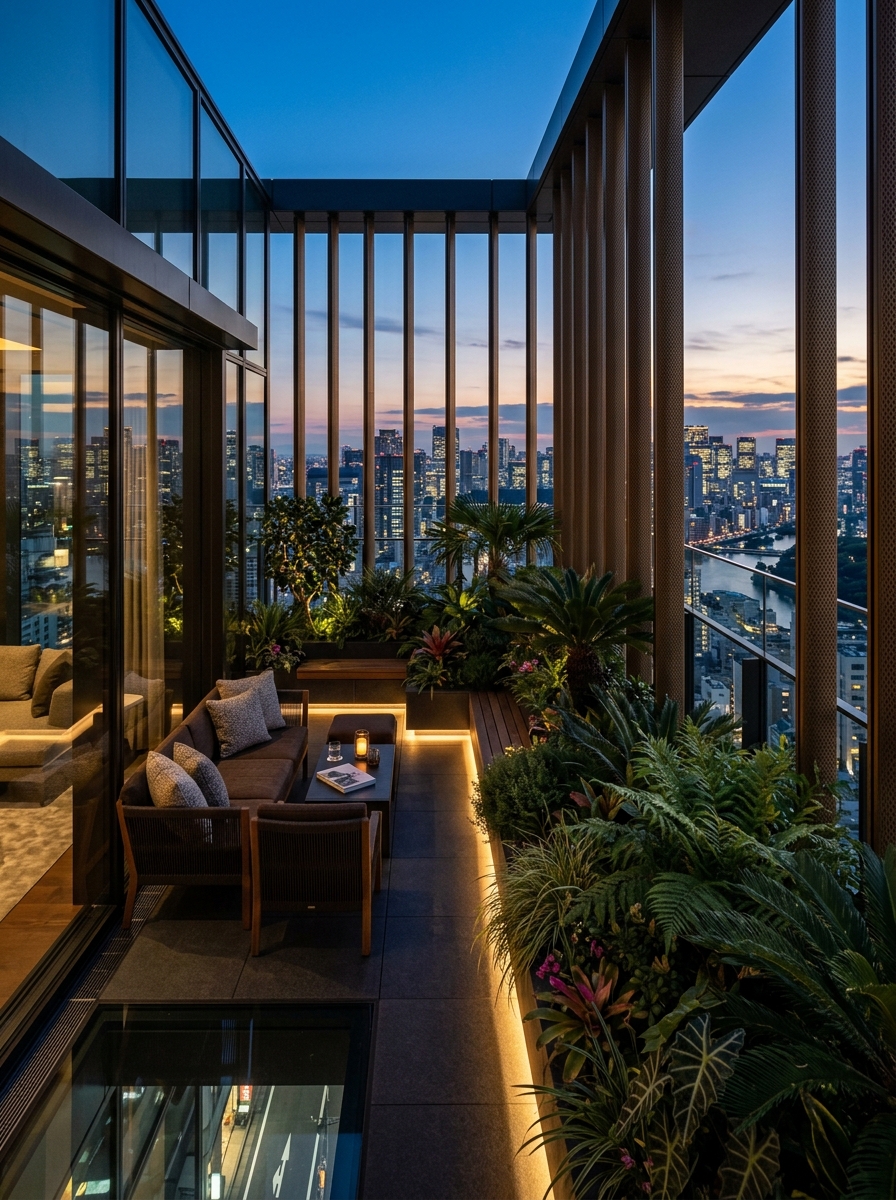
Materials fundamentally influence how architecture is perceived. Natural stone introduces tactile texture and enduring solidity. High-performance glass opens visual horizons and invites daylight. Meticulously finished wood introduces warmth, while architectural metals introduce crisp precision and framing contrast.
The character of a space emerges from how these elements interact. A successful material palette does not require a multitude of competing finishes; in many cases, a restrained, masterfully selected trio creates a far more refined outcome than an excessive collage of textures.
Architects and designers focus on:
- Colour Harmony: Balancing undertones across walls, ceilings, floors, and millwork.
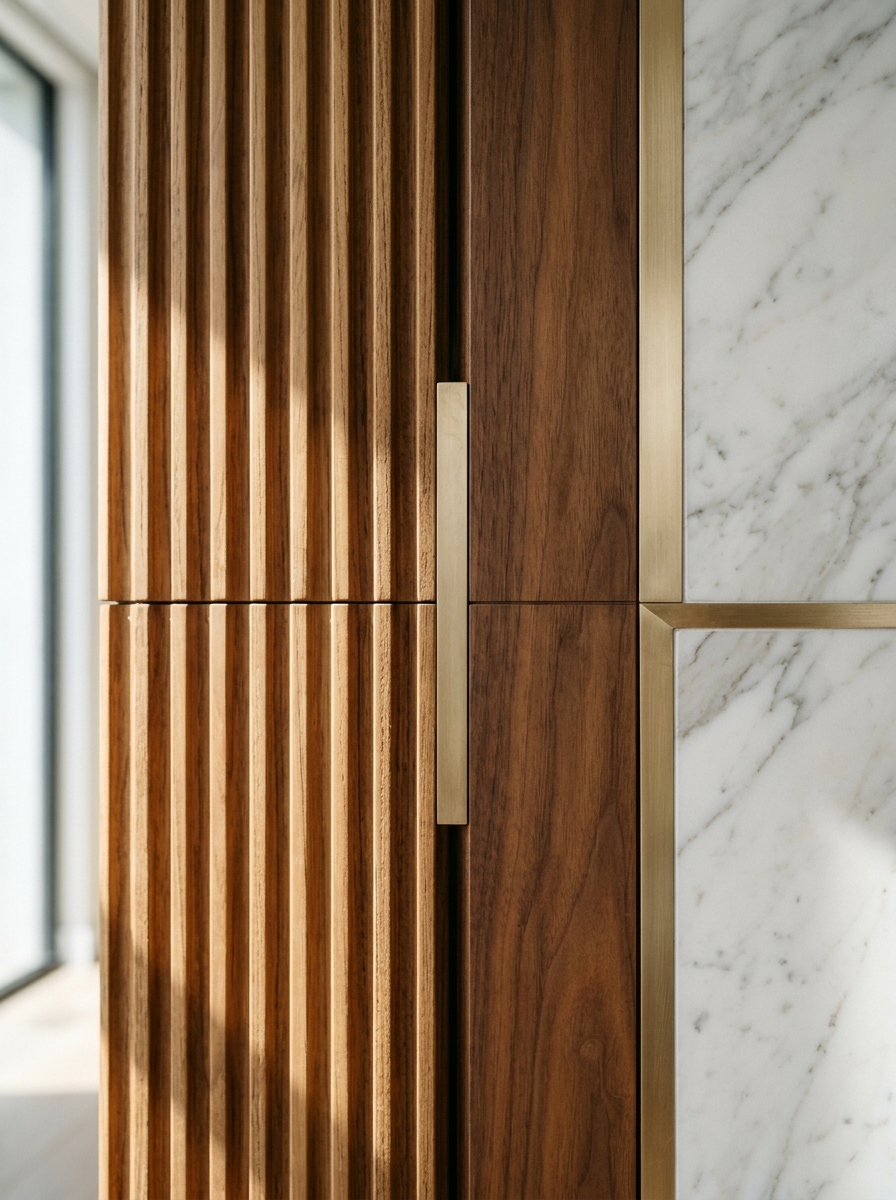
- Textural Balance: Pairing polished surfaces with honed or textured stone for layered depth.
- Proportional Weight: Allocating materials in quantities that ground and balance the room.
- Spatial Continuity: Carrying a disciplined design vocabulary across interconnected living areas.
- Restrained Contrast: Introducing subtle accents to celebrate architectural portals and focal points.
Why Craftsmanship Matters
Even the finest materials cannot achieve their intended grace without skilled workmanship. Installation precision, alignment tolerances, jointing, and finishing dictate the final residential atmosphere.
Craftsmanship is visible in the razor-sharp precision of mitered edges, the consistency of wall planes, the silent glide of custom doors, and the seamless transition between marble and hardwood. It also involves the concealed structural preparation: waterproofing membranes, screed leveling, sub-frame anchoring, and meticulous service coordination.
- Precision: Ensuring millimeter-accurate tolerances and plumb alignments.
- Consistency: Maintaining an unwavering standard across every repeated architectural detail.
- Coordination: Seamlessly integrating mechanical, electrical, and plumbing infrastructure with interior joinery.
- Execution: Adhering strictly to manufacturer application protocols and curing periods.
- Rigorous Inspection: Detecting and rectifying minute imperfections before handover.
From the Entrance to the Interior
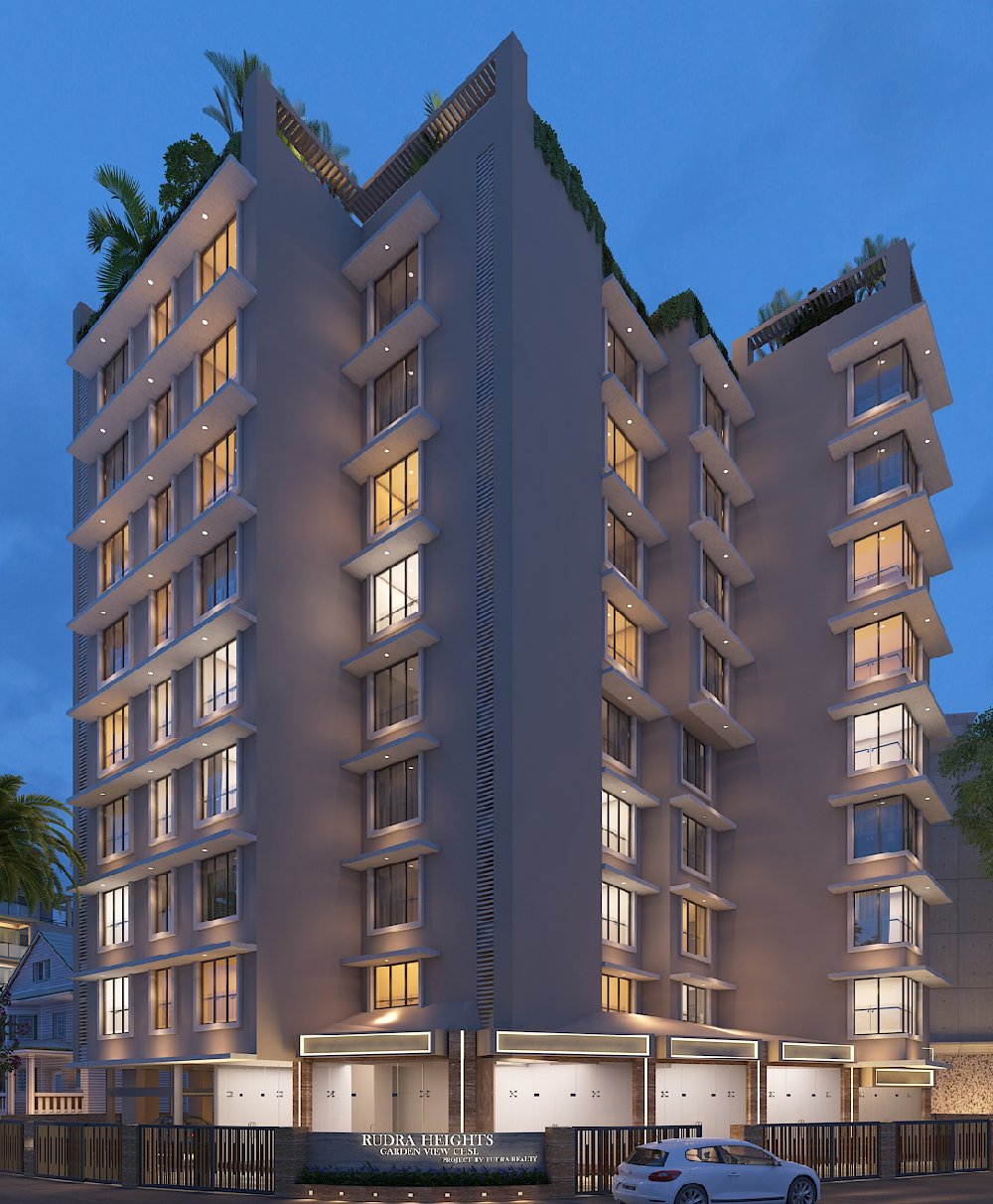
A residential experience begins long before someone enters the private threshold. The building's exterior façade, driveway drop-off, grand lobby, and residential corridors establish the primary tone of the landmark.
These shared spaces require the same disciplined attention to proportion, materials, lighting, and acoustic warmth as private suites. An entrance lobby establishes the identity of a development through its cladding, architectural lighting, and spatial choreography.
Within the private apartment, the same philosophy continues at an intimate scale: custom door frames, acoustic seals, bathroom brassware, and modular kitchen surfaces work together to elevate the rhythm of daily living.
Looking Beyond Initial Appearance
Material selection must anticipate how a residence will gracefully evolve over decades. Certain porous stones or unfinished woods require specialized sealing and regular upkeep. Other modern composite materials offer low maintenance but present a different tactile quality.
Before selecting materials, ask:
- Where will it be installed and what environmental conditions will it endure?
- What is the expected foot traffic and exposure to moisture or sunlight?
- What routine maintenance and specialized care will be required?
- How will it visually coordinate with adjoining architectural elements over time?
Craftsmanship as an Enduring Investment
A well-executed home reflects the harmonious synthesis of hundreds of deliberate decisions. From initial structural blueprints to the final coat of protective wax, quality must be nurtured at every milestone.
At Rudra Realty, residential design begins with the conviction that true luxury is founded on material honesty and construction integrity. Lasting quality is rarely the outcome of a single dramatic feature; it emerges from the uncompromised care invested across every corner of the residence.